
Teaching Foundations
PROGRAMS
Many new teachers struggle not because they lack the talent, but because they lack the basic know-how and tools of their craft. Teaching Foundations ensures novice teachers start the year with the preparation they need.
What is Teaching Foundations?
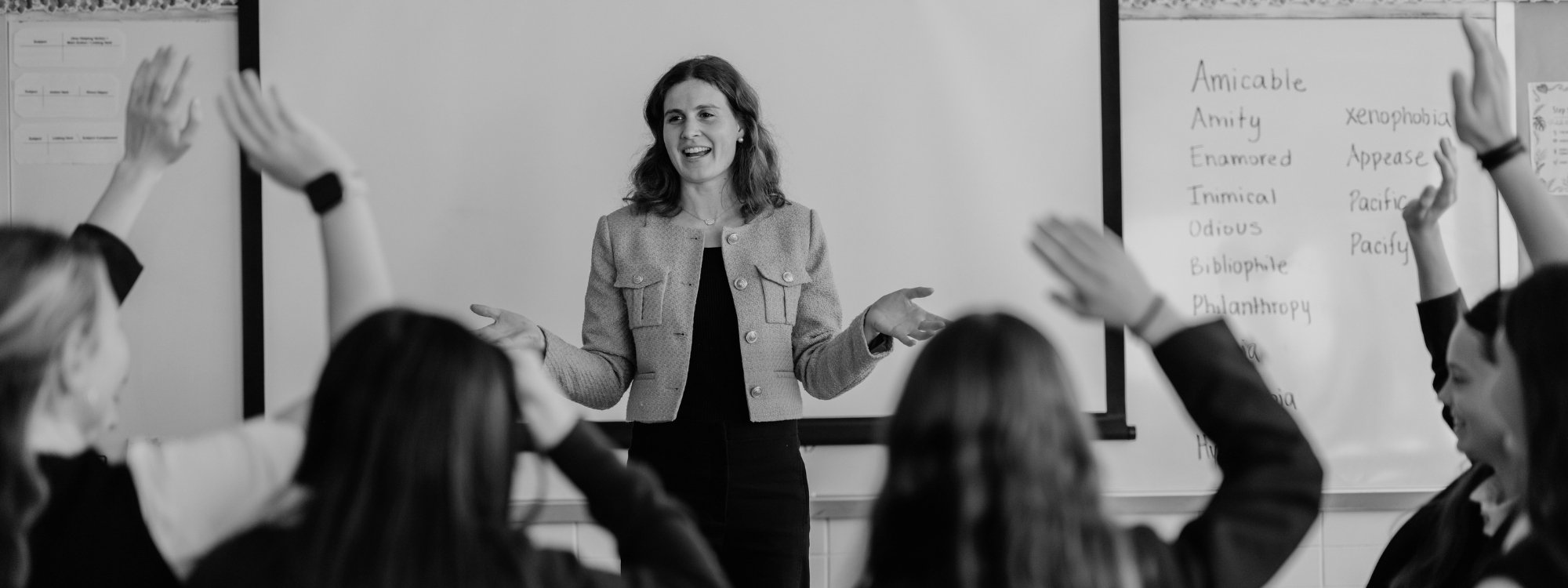
Teaching Foundations is a 1-week summer workshop that equips participants with the foundational practices and tools required to be a successful teacher.
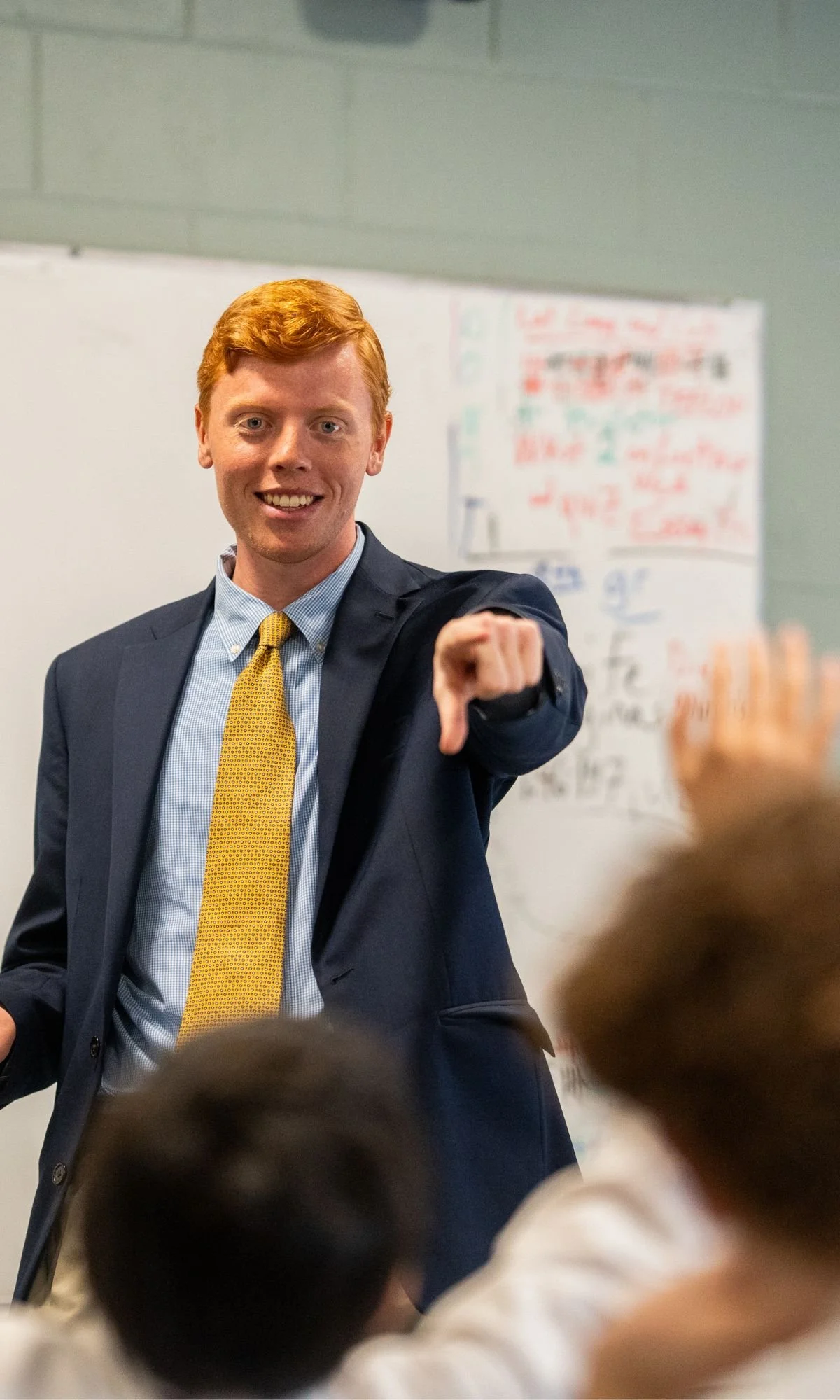
The workshop is structured for participants to learn the practical craft of teaching and experience implementing the methods they’re learning.
Teachers leave feeling like they know what they need to do. They may still be novices, but they have clear first steps, confidence, and the tools to accomplish their teaching mission.
Who Should Attend?
The course is designed for new teachers.
Veteran teachers are also welcome, and many have found it helpful in providing a framework and explanation for the many learnings and practices they have already developed through experience.
Many school leaders have also attended, in order to build a shared framework of understanding with their teachers.
Topics Covered
The “Teaching Foundations” course covers:
Course Building - planning a course, a unit, and a lesson with the goal in mind
Pedagogy - pushing the work of thinking onto students through our Teacher Toolbox
Assessments and Accountability - ensuring students master the core knowledge needed for a liberal education
Classroom Management - earning authority and designing a well-ordered learning environment
Formation - developing character through personal relationships with students and their parents
Educating in Freedom - the secret ingredient of student formation
Teaching Tools. Each participant receives a set of printed documents and access to a platform and toolbox that contains all the frameworks, job aids and teaching tools a new teacher needs - without being overwhelming.

Summer 2026 Session: July 27 - 31
Cost: $650, includes
Breakfast and lunch
Printed materials
A year-long subscription to Moving Toward Mastery and our online platform
Location: Northridge Preparatory School just north of Chicago
Availability: Attendance is limited to 60 seats on a first-come, first-served basis.
Note: Bring your course materials. We will be planning your course during our workshops.
Register for Teaching Foundations
Daily Schedule
Monday (July 27) through Friday (July 31)
8:30 Breakfast (Provided)
9:00 Morning Class
12:15 Lunch (Provided)
1:00 - 3:00 Practicum
(2:00 - 3:00 Office Hours)
3:00 End
Morning classes cover the core theory underlying each area. Teachers need to understand the WHY behind the approach. The majority of our time is spent on the practical. We provide the tools and processes. Then teachers rehearse, practice, and give feedback to each other.
Each afternoon consists of a “practicum” where participants plan their own lessons using the techniques discussed in the morning; participants will have time (during “Office Hours”) to discuss their implementation with seasoned teachers.
Dinner on Tuesday evening: we head to a restaurant to enjoy each other's company (cost included in registration).
Resources You’ll Receive
Participants receive 1 year access to an online platform housing all course materials, teaching tools and resources in one convenient location. They also will be given a printed binder of course materials specific to Teaching Foundations.
Northridge spent nearly a decade refining tools that we make available to participants (some are standard and readily available from other online sources; others are uniquely available from Northridge).
These resources and tools include our:
Course Planning Guide
Teacher Toolbox (20+ pedagogical techniques, each with a “job aid”)
Discipline Cycle (how to respond to various levels of misbehavior)
“Northridge GPT” - an AI tool trained on all our materials
Frequently Asked Questions
-
Once Teaching Foundations is completed, teachers can enroll in Moving Towards Mastery, our online skill step progression program, that refines and solidifies the learning from the summer - and provides feedback on work submitted.
Ideally, participants would also receive Mentoring - at school or remote via the Institute. Learn more here. -
At the completion of each course in the full program, participants will receive a certificate of completion to recognize their learning and continued development.
-
-
1. Your laptop to complete assignments (required). 2. Class books or textbooks for planning (helpful, but not required).
-
Many teachers from Pre K-3 through 2nd Grade have attended and found it very helpful - the principles are universally applicable. That said: we have designed the course for the instruction typical from 3rd Grade through 12th.
-
Teaching Foundations comes with a year-long subscription to our Moving Toward Mastery support program, which features reviews, regular check-ins, and online resources.
-
The tools and ideas from Teaching Foundations will carry over into any subject that you teach. Ideally you can plan your actual course, but many teachers attend without knowing exactly what they’ll be teaching.
-
Art teachers, PE teachers, and many school administrators have attended and applied concepts and tools to their own schools.
-
No. Despite all our technological innovations, teaching is an art best accomplished in a classroom, in person. Just as there’s no replacing a teacher with online resources, there’s no substitute for learning the craft of teaching in person.
-
See our Guiding Principles for how our approach to pedagogy fits within a Classical Education.